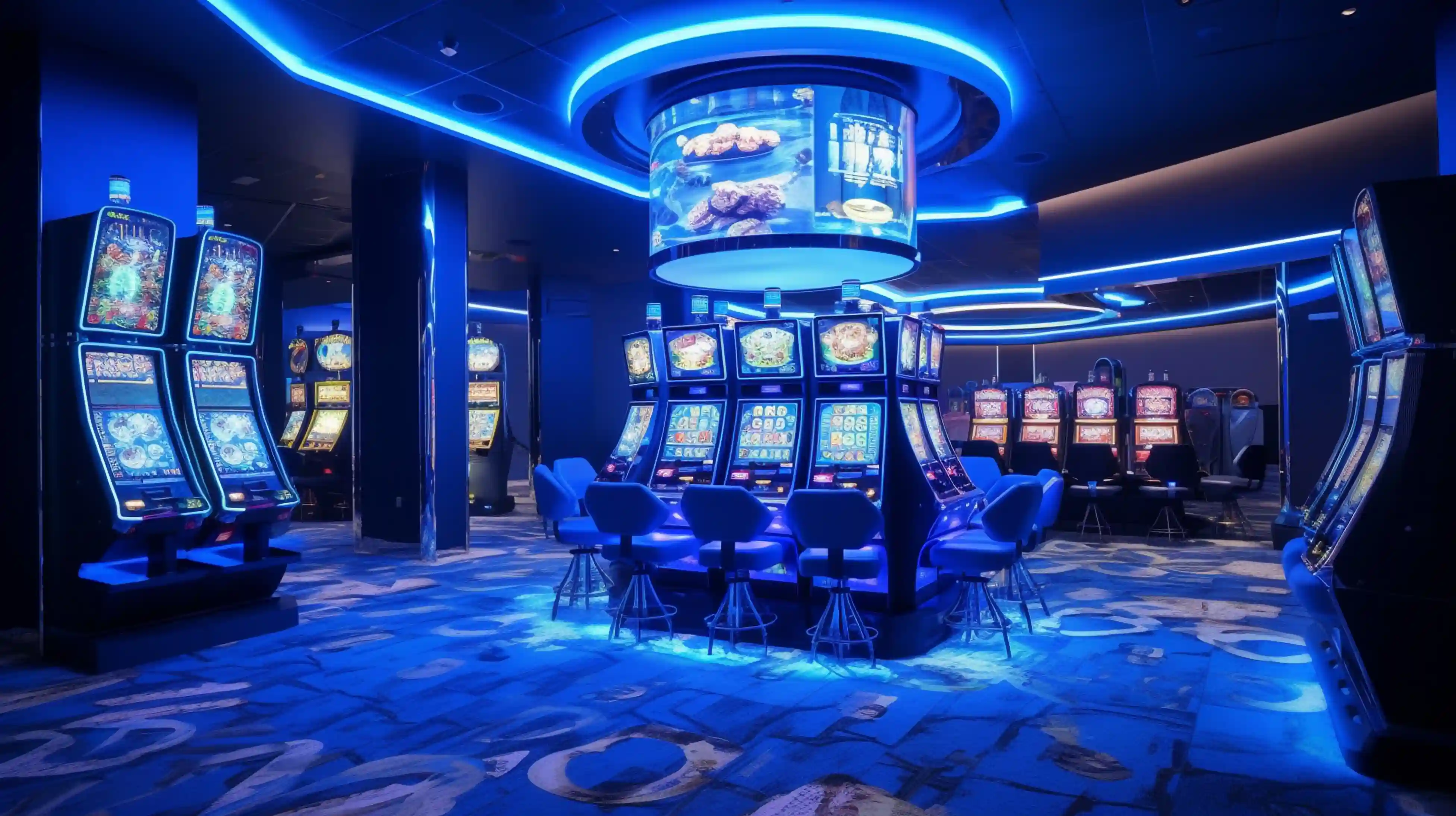
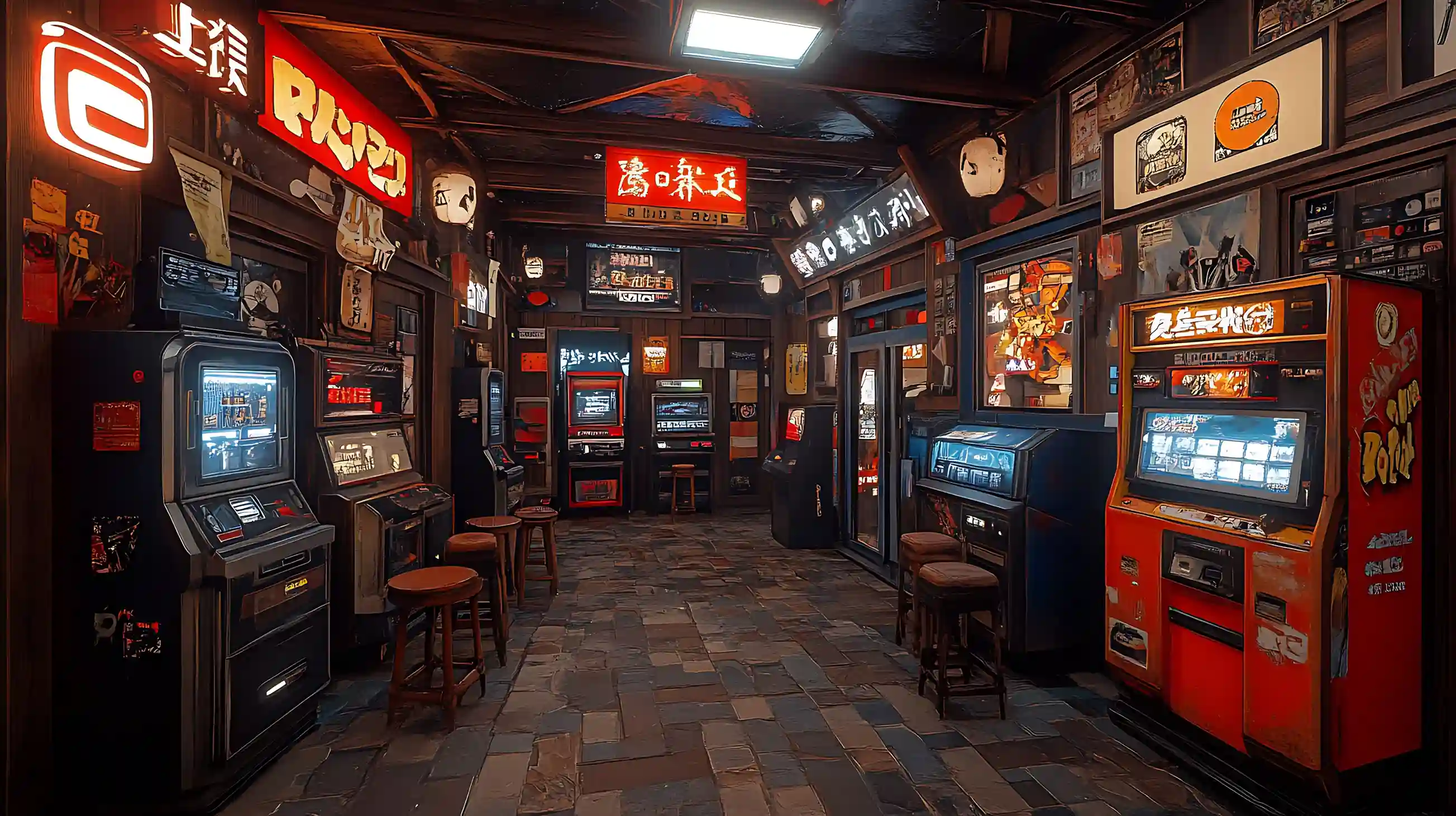
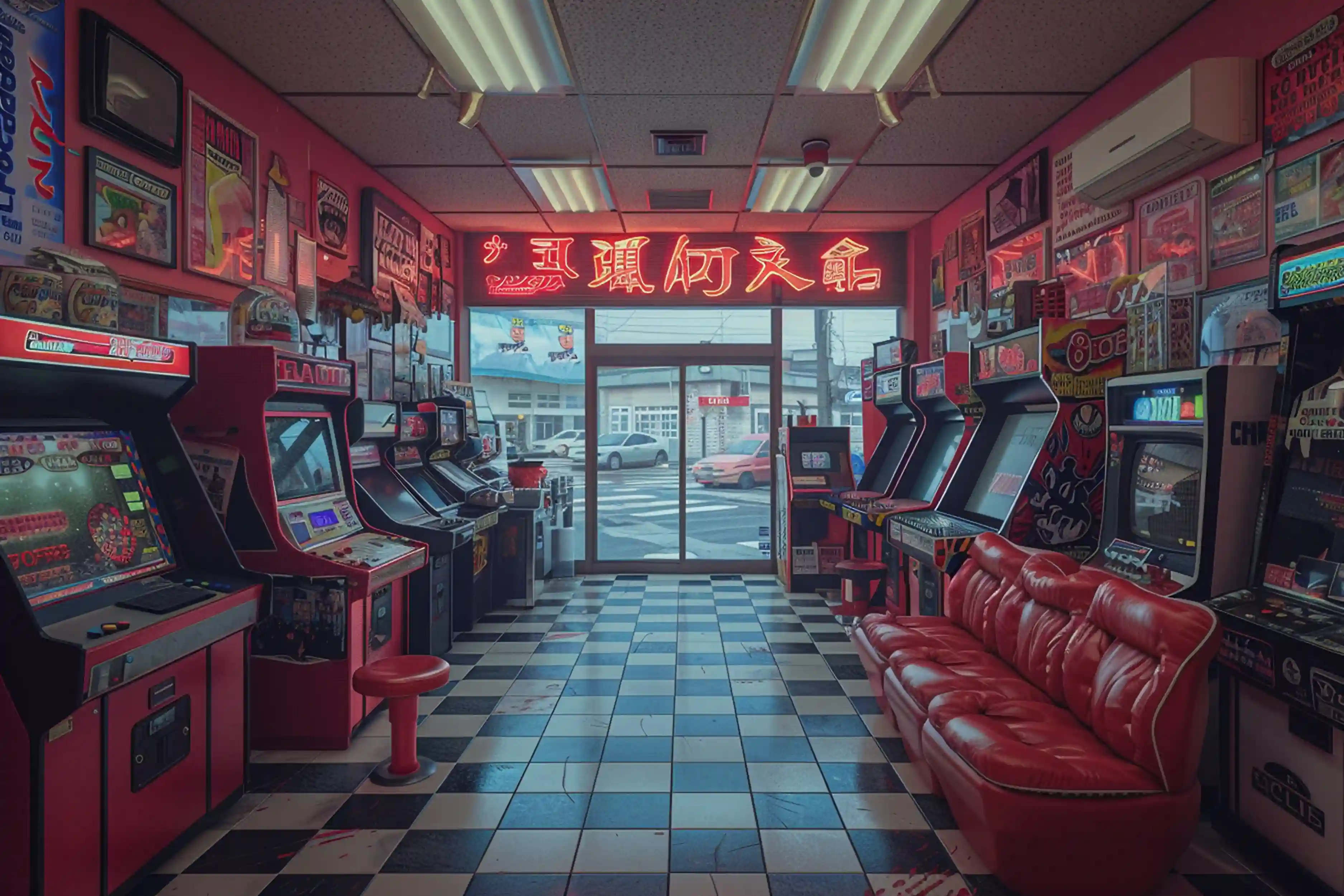
Pachinko is played on a tall, vertical machine where small steel balls fall through a narrow field filled with precisely positioned pins. The main objective is easy to understand: guide the balls toward specific target areas that can trigger bonus balls or open additional chances to collect rewards.
Pachinko in Tokyo and Osaka: Why Each Session Feels Different
What truly sets pachinko apart from standard arcade games is the balance between visible motion and unpredictable results. You actively control the start of each round and closely follow the movement of the balls, yet the final outcome can still surprise you. This mix keeps every session feeling new, engaging, and enjoyable.
How Gameplay Unfolds
To start playing, metal balls are launched into the top of the vertical board, where they travel downward through a dense arrangement of pins. As they move, the balls bounce, change direction, and create a smooth, flowing motion that many players find relaxing to watch. The most exciting moments happen when balls enter special winning zones, activating rewards such as extra balls or prize credits.
The Role of Skill
While chance is always part of the experience, players often develop small techniques over time. By adjusting launch strength and timing, it's possible to slightly influence how the balls move. Since each machine has its own pin layout and behavior, this limited control adds a sense of involvement and progression that keeps players interested.
Rewards and Exchanges
Successful rounds can lead to collecting additional balls or earning reward items that can be saved and exchanged later. This system adds another layer to the experience, giving players something to work toward beyond a single round. Because of this structure, pachinko feels more meaningful than a quick arcade game, offering both continuity and long-term enjoyment.
Pachinko traces its roots back to the early decades of the twentieth century, when simple pin-based games appeared, inspired by arcade concepts from abroad. Over time, these early ideas were reshaped to better fit local preferences. In its earliest form, pachinko was largely aimed at younger audiences and focused on quick, light entertainment rather than complex play.
From Simple Boards to a Richer Experience
As the years passed, pachinko began to evolve steadily. Machines grew more sophisticated, pin layouts became increasingly intricate, and new mechanical elements were added. Later, electronic features enhanced the experience even further. What started as a basic pastime gradually transformed into a more polished and engaging activity, one that invited players to spend longer, more enjoyable sessions.
Pachinko in Tokyo and Osaka: The Rise of Modern Halls
During a time when everyday leisure expanded rapidly following major global changes, pachinko became a familiar part of daily entertainment for many people. Ongoing technological progress led to larger venues with more striking designs, and the game settled into the modern form that visitors recognize today. In cities like Tokyo and Osaka, pachinko halls grew into lively, well-organized spaces that reflect both the game's history and its continued evolution.
Every pachinko machine is constructed with hundreds of pins placed thoughtfully and with high accuracy. These pins guide the steel balls through the playfield, combining basic physics with unexpected changes in direction. Because outcomes are never fully predictable, each round feels unique, engaging, and worth following closely.
A Social Space Filled With Energy
Pachinko halls are more than places for solo play. They often function as shared environments where visitors notice each other's sessions, exchange brief advice, and enjoy the same lively atmosphere together. This sense of shared presence can turn a simple visit into a more connected and enjoyable experience.
A Reward Structure That Adds Depth
The prize system adds another layer to the experience. Strong performance can lead to earning items or tokens that may be exchanged later, creating a clear connection between gameplay and rewards. This structure keeps interest high and gives each session a sense of purpose and continuity.
More Than Entertainment: A Living Tradition
Although pachinko originated from ideas introduced from abroad, it gradually developed a distinct identity of its own. Over time, it aligned with local habits of leisure, placing more emphasis on relaxed competition and shared enjoyment rather than direct rivalry. Today, it stands as a tradition that continues to grow while staying true to its social and cultural roots.
At first glance, pachinko might seem similar to standard arcade entertainment, but the actual experience feels very different. Instead of relying mainly on digital input, pachinko is built around real physical movement. Steel balls drop with gravity, bounce between pins, and respond to mechanical elements that guide their path. Because every motion is physical and constantly shifting, no two rounds see exactly the same result.
You're actively involved at every step. Rather than pressing a button and waiting, you control the release of the balls, follow their movement, and see the machine respond in real time. The enjoyment comes from watching motion unfold, feeling the timing, and learning how each machine's layout creates its own personality.
The Simple Mechanics Behind Pachinko
Pachinko focuses on real-world motion rather than purely visual effects. Once released, steel balls travel downward through a dense field of pins, where small changes in angle or speed can alter the outcome. Since the path can never be fully predicted, each round feels fresh and engaging.
The careful balance between pin placement and mechanical design keeps gameplay steady while allowing constant variation. This combination of structure and unpredictability is what gives pachinko its distinct rhythm and makes it feel different from most arcade-style games.
Today's pachinko machines feel much more sophisticated compared to their earlier counterparts. Modern units often feature enhanced electronics, vivid screens, and refined reward mechanics that add more energy and visual appeal to each session.
At the same time, the traditional foundation remains unchanged. Steel balls, pin-based layouts, and the familiar vertical design are still at the core of every machine. Contemporary themes, animated sequences, and expanded reward features are layered onto this classic structure, allowing pachinko to move forward with technology while preserving the elements that defined it from the beginning.
"Pachinko brings together smart mechanical ideas and engaging play, creating an experience that feels carefully designed and stays interesting over time."
"The gentle movement of the balls and the shared environment give pachinko a social feel that goes beyond what most arcade games offer."
"After learning the basics, it's easy to understand the appeal of pachinko—the balance between chance, control, and a laid-back sense of competition keeps it enjoyable."
Pachinko follows a structured flow where each part of the experience connects to a broader framework behind the scenes. Balls collected during play can be exchanged for special tokens at designated counters, and those tokens are later used to access goods or continue participating. This layered process adds depth to the experience and gives each session a sense of continuity rather than isolation.
Beyond gameplay itself, this system supports a wide network of roles and businesses. From machine design and production to venue operations and daily maintenance, many people contribute to keeping everything running smoothly. The structure is designed to remain sustainable over time, benefiting both visitors and the teams working in the background.
On a social level, pachinko halls often function as shared spaces where people with different schedules and lifestyles cross paths. Regular visits, familiar faces, and casual interactions help create an atmosphere that feels more personal than a typical entertainment venue. Over time, these patterns can form small communities built around routine and shared presence.
Pachinko's role extends past leisure alone. It supports manufacturing, distribution, and service-related work while providing long-term stability within the industry. Even today, pachinko continues to operate as a well-balanced system—combining engaging play with thoughtful structure—allowing it to remain active, consistent, and relevant.